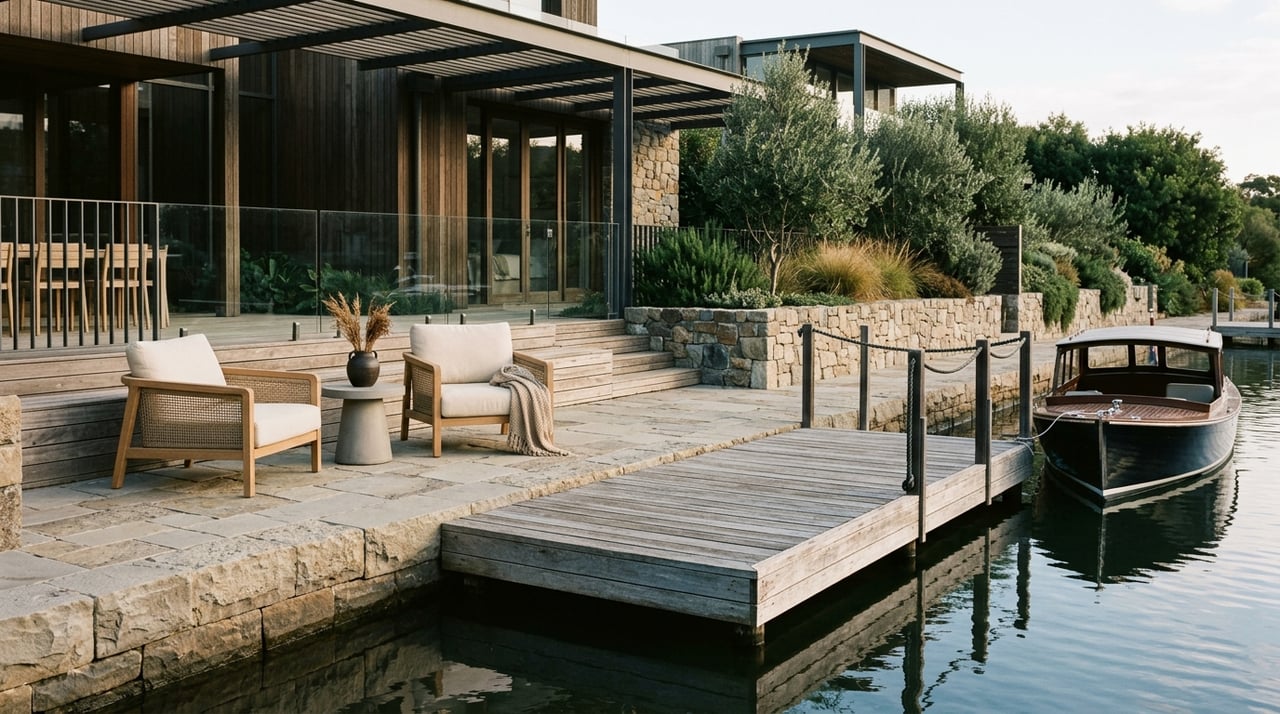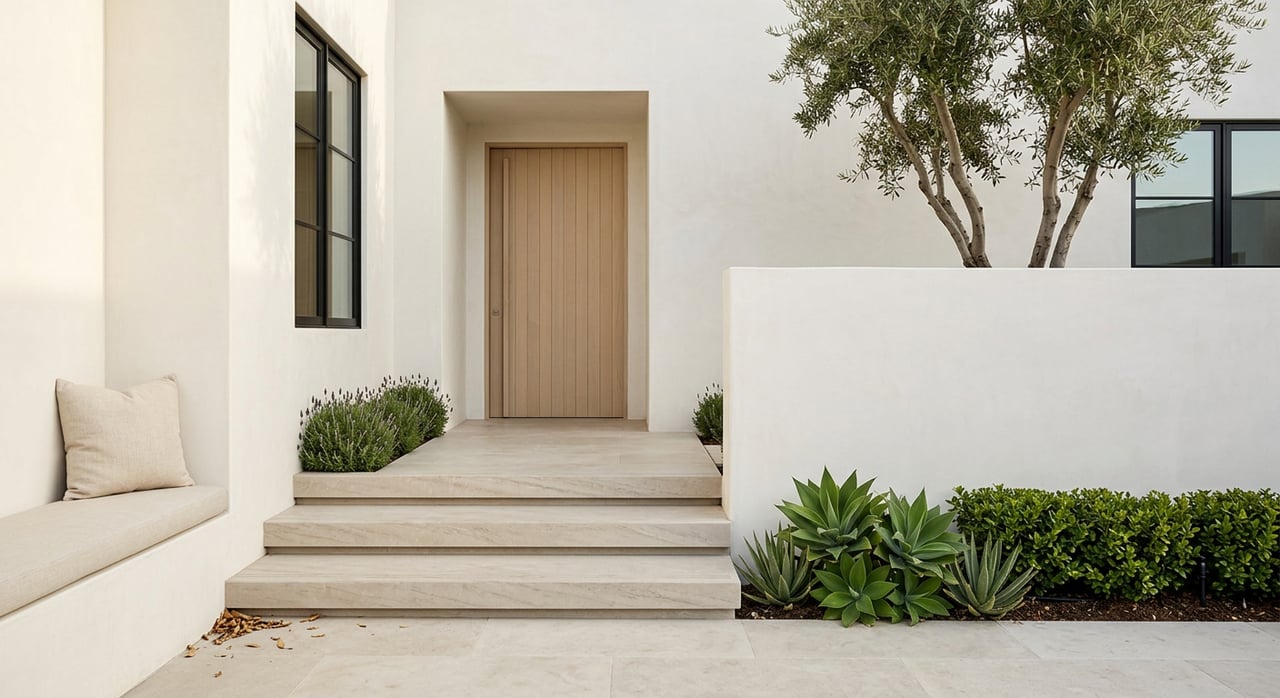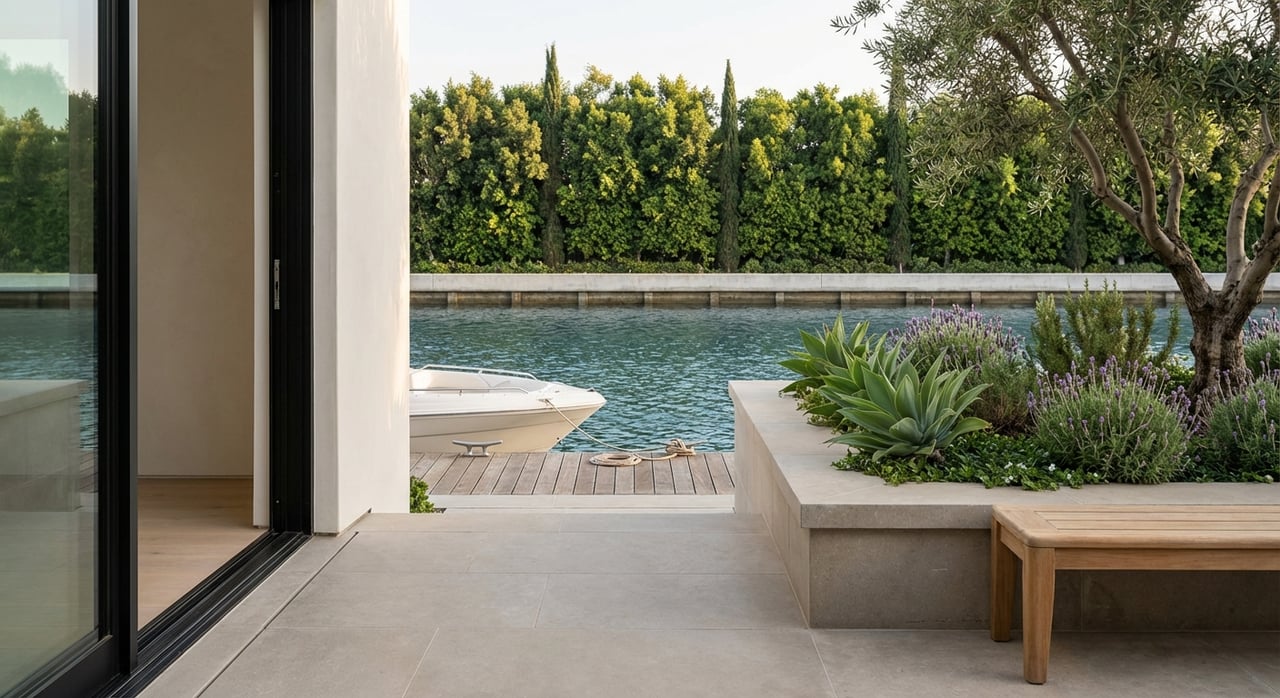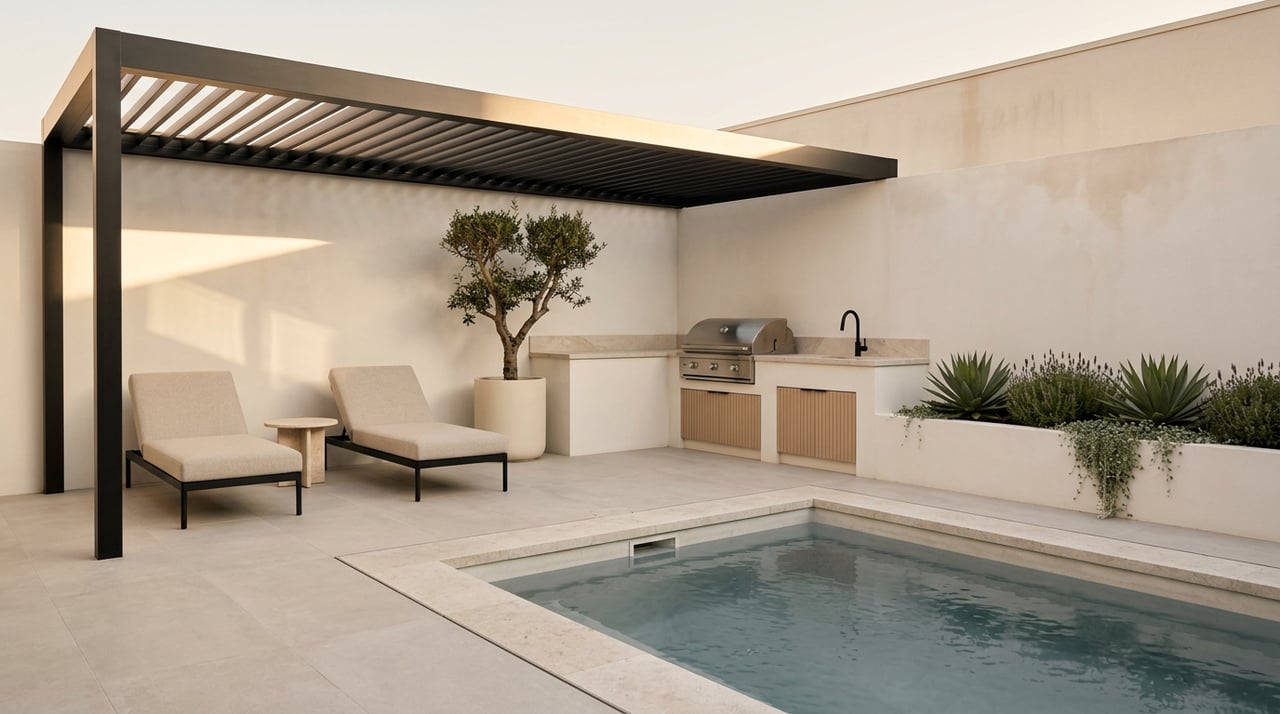
Salt air, ocean breezes, and soft light make outdoor living in Corona del Mar feel effortless. The right design turns that everyday beauty into a true extension of your home. You also want materials and layouts that stand up to wind, salt spray, and the coastal rules that shape projects here. In this guide, you’ll find coastal-smart ideas, permit insights, and value tips tailored to Corona del Mar so you can plan with confidence. Let’s dive in.
Plan for the coastal microclimate
Corona del Mar enjoys mild temperatures most of the year, with average highs in the mid 60s to mid 70s and low annual rainfall. That means you can use your patio nearly year-round with the right shade, wind protection, and heating. Expect a summer marine layer and regular ocean breezes that keep things cooler than inland Orange County. You can confirm typical conditions using Newport Beach climate normals, which closely match CdM’s setting, through this summary of average temperatures and rainfall patterns for Newport Beach.
- According to regional climate normals, the coastal setting supports outdoor use most months, but designs should plan for wind and salt exposure. You can review a useful overview of seasonal highs and lows in the Newport Beach area in this climate summary from Current Results.
- Plan seating to capture cross-breezes and afternoon shade. Use flexible elements like screens and planters to tune comfort by season.
- Choose materials that resist corrosion and fading. Durable stone, powder-coated aluminum, and teak or HDPE furniture hold up well near the ocean.
For background on typical temperatures, see this overview of Newport Beach climate averages from Current Results.
Covered lounges that work year-round
A covered outdoor lounge extends your living room outside and makes mornings and evenings more comfortable. In Corona del Mar, covered seating also helps you ride out marine layer mornings and protect cushions from salt and dew. Orient the structure to block prevailing winds while keeping airflow open.
- Consider a solid or insulated roof if you plan to include a built-in fireplace or gas features. A solid cover also helps with shade and rain protection.
- Add low-glare lighting, ceiling-mounted heaters, and outdoor-rated speakers. Electrical and gas work typically requires permits through the City of Newport Beach’s online permitting portal. You can review the city’s online permitting and plan submittal instructions to understand what your project may require.
- If your home sits within the coastal zone, some covered structures can trigger coastal review. A quick conversation with a city planner can save time later.
Plunge pools for compact lots
Many Corona del Mar lots are efficient and vertical. A plunge pool offers a spa-like feel with a small footprint and lower maintenance than a full-size pool. It can transform a side yard, terrace, or courtyard into a private retreat.
- Most plunge pools are treated as swimming pools for code purposes. That means permits, plan review, inspections, and a compliant safety barrier. See Newport Beach’s pool code for barrier and inspection requirements so you can prepare your plan set accordingly.
- Coordinate early on gas, electrical, and plumbing runs to avoid change orders. Use the city’s online permitting portal to streamline reviews and inspections.
- Bluff-edge or near-bluff parcels require extra care. If you plan excavation or place concentrated loads near the edge, you may need geotechnical review and coastal-related permits. Newport Beach’s coastal bluff standards outline when geotechnical studies and coastal approvals are typically triggered.
Rooftop decks and soaking tubs
When lot size is tight, going up can unlock ocean glimpses and extra privacy. Rooftop decks create a distinct outdoor room with strong resale appeal when executed correctly.
- Structure and safety come first. An occupiable roof typically requires engineering for live loads, upgraded framing, and compliant guardrails. Expect a building permit and detailed waterproofing and drainage plans.
- Prioritize waterproofing and drainage. Use a robust membrane, proper flashing, and a clear path to drains. Commit to scheduled inspections and maintenance to protect rooms below.
- Plan for wind and privacy. Glass wind screens, anchored furniture, and tall planters can soften breezes without blocking light. If you add a soaking tub, treat it as a concentrated load and involve your engineer from the start.
Outdoor kitchens built for the coast
A well-planned outdoor kitchen can serve as the heart of your yard during most months of the year. In CdM, corrosion resistance, thoughtful layout, and compliance are the difference between high style and high upkeep.
- Built-in grills, sinks, refrigeration, and gas lines typically require permits. Check clearances and ventilation if you place appliances under a cover.
- Use marine-minded finishes. Favor powder-coated aluminum, 316-grade stainless hardware, durable stone or concrete counters with sealers rated for salt air, and high-quality hinges and fasteners.
- Keep airflow, glare, and neighbors in mind. Vent heat away from seating areas and choose task lighting that stays easy on the eyes.
Planting that thrives and saves water
Plants can frame views, create privacy, and add calm without high maintenance if you match them to the site. In Corona del Mar, drought-tolerant and coastal-appropriate palettes perform best.
- Group plants by water need, called hydrozoning. Combine drought-tolerant species in exposed spots and reserve thirstier plants for sheltered pockets. For water-use guidance, browse WUCOLS-based resources that help match plants to irrigation budgets.
- Use drip irrigation and mulch to retain moisture. Avoid permanent irrigation on or very near bluff faces per local standards that aim to protect stability.
- Look for opportunities to manage stormwater on site. Permeable pavers, rain gardens, and cisterns can help reduce runoff. Many projects benefit from Low Impact Development measures outlined in regional stormwater guidance.
Site hazards to check early
Coastal siting is part of building smart in CdM. A little research up front can shape your scope and protect your investment.
- Sea-level rise and coastal flooding are part of regional planning. Use NOAA’s sea-level rise viewer to understand scenarios near low-lying areas.
- Some parcels lie in FEMA flood zones. Check your address against the city’s flood map guidance before adding low-level hardscape or pool features.
- Fire Hazard Severity Zone updates affect some inland-adjacent areas in Orange County. If you are near canyons, check the county’s updated fire-hazard layer for your parcel status.
Navigating coastal rules and permits
Corona del Mar sits within Newport Beach, which has a certified Local Coastal Program. Projects in the coastal zone can trigger a Coastal Development Permit or special review, depending on scope.
- Start with the Local Coastal Program FAQ to see how coastal rules may apply to your address.
- Typical workflow: concept meeting with a city planner, professional drawings, plan check, revisions, permits, and inspections. Newport Beach supports online submittals through its permitting portal to streamline the process.
- Who to hire: a design professional with coastal experience, a licensed structural engineer for decks or rooftop features, a geotechnical engineer for bluff-edge work, and a licensed pool or spa contractor when water features are included.
Budget, ROI, and timeline signals
Outdoor projects can deliver strong enjoyment and meaningful resale appeal when aligned with your property and price tier. National agent research offers helpful planning benchmarks.
- The National Association of REALTORS 2023 Outdoor Features report lists representative costs and estimated cost recovery such as patios around 10.5k with about 95 percent recovery, outdoor kitchens around 15k with about 100 percent recovery, and in-ground pools around 90k with about 56 percent recovery. Use these as starting points, then gather local quotes, since coastal materials, engineering, and permitting can shift budgets.
- Timelines vary. Simple hardscape or a pergola without utilities can move quickly. Larger rooftop or pool projects can take months, especially if coastal submittals or hearings are required.
- Match scope to your goals. If you are selling soon, focus on high-impact, low-maintenance upgrades like lighting, a covered lounge, simplified planting, and a refreshed patio surface.
Privacy, wind, and lighting quick wins
- Use layered screening. Combine tall planters, hedges, and slatted fences to boost privacy without closing off light or air.
- Design for breezes. Position seating to capture airflow and use glass or planted windbreaks where gusts are strongest.
- Light for tasks and mood. Mix soft perimeter lighting, step lights, and warm task fixtures at cooking zones for comfort and safety.
Maintenance for longevity
- Rinse salt build-up from metal and glass every few months. Touch up coatings as needed.
- Re-seal natural stone and porous pavers on the schedule recommended by the manufacturer. Inspect rooftop membranes and drains annually.
- Keep irrigation smart and efficient. Use drip lines, group plants by water need, and adjust seasonally to reduce waste.
When your outdoor spaces are designed for the coast, they elevate daily life and support long-term value. If you are weighing which upgrades make the most sense for your property or planning a pre-list refresh, let’s talk about scope, budget, and timing tailored to your goals. Connect with Nicole Caplan to map a clear plan.
FAQs
How do I check if my Corona del Mar home is in the Coastal Zone or a FEMA flood area?
- Use the City of Newport Beach coastal and flood resources to look up your address, then confirm details with a city planner before you design fixed low-level features.
Do I need a permit for a pergola, outdoor kitchen, or plunge pool in Newport Beach?
- Most fixed structures and any work involving gas, electrical, plumbing, or pools require permits; start with the city’s online portal and speak with a planner to confirm your scope.
What should I know about plunge pools on bluff-edge lots in Corona del Mar?
- Expect geotechnical review and possible coastal approvals for excavation or concentrated loads near a bluff; plan extra time and budget for engineering and coastal documentation.
What are realistic budgets and ROI for outdoor features in a coastal luxury market?
- National research suggests patios and outdoor kitchens often recover most or all costs, while pools recover less; local quotes and coastal requirements will refine your budget and return.
Which materials hold up best near the ocean for outdoor kitchens and furniture?
- Choose corrosion-resistant options like powder-coated aluminum, high-quality stainless hardware, durable stone or concrete with proper sealers, and teak or HDPE furnishings.