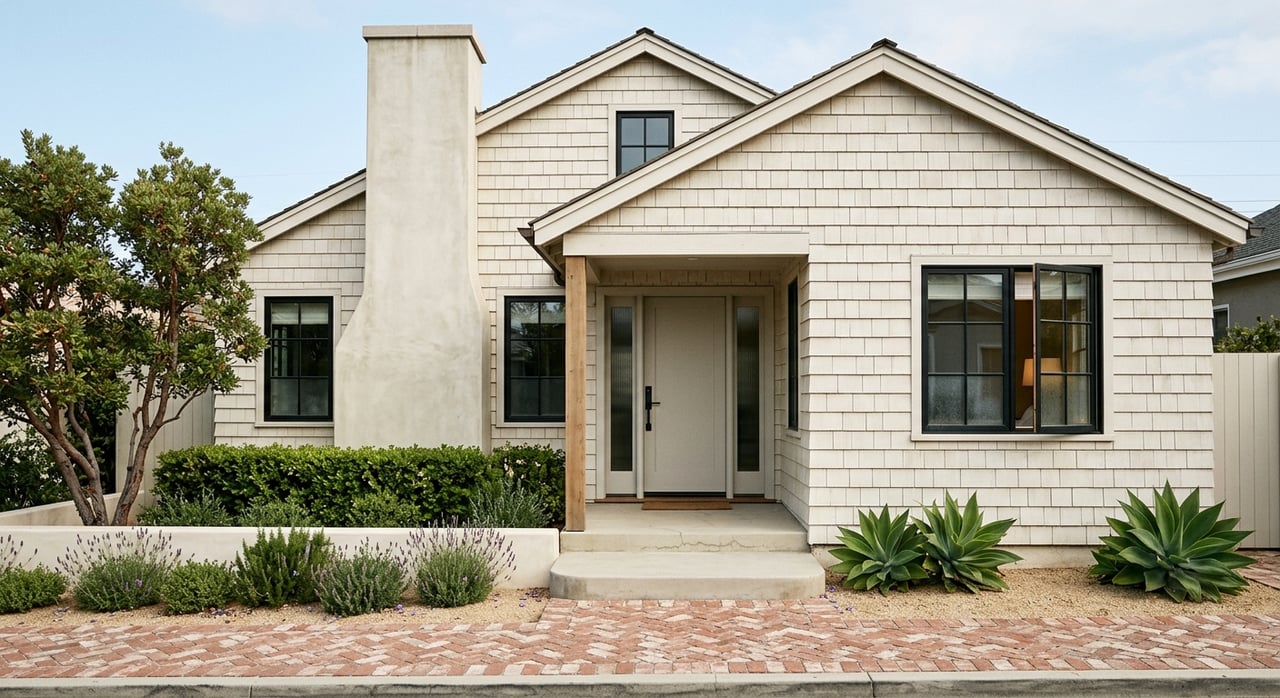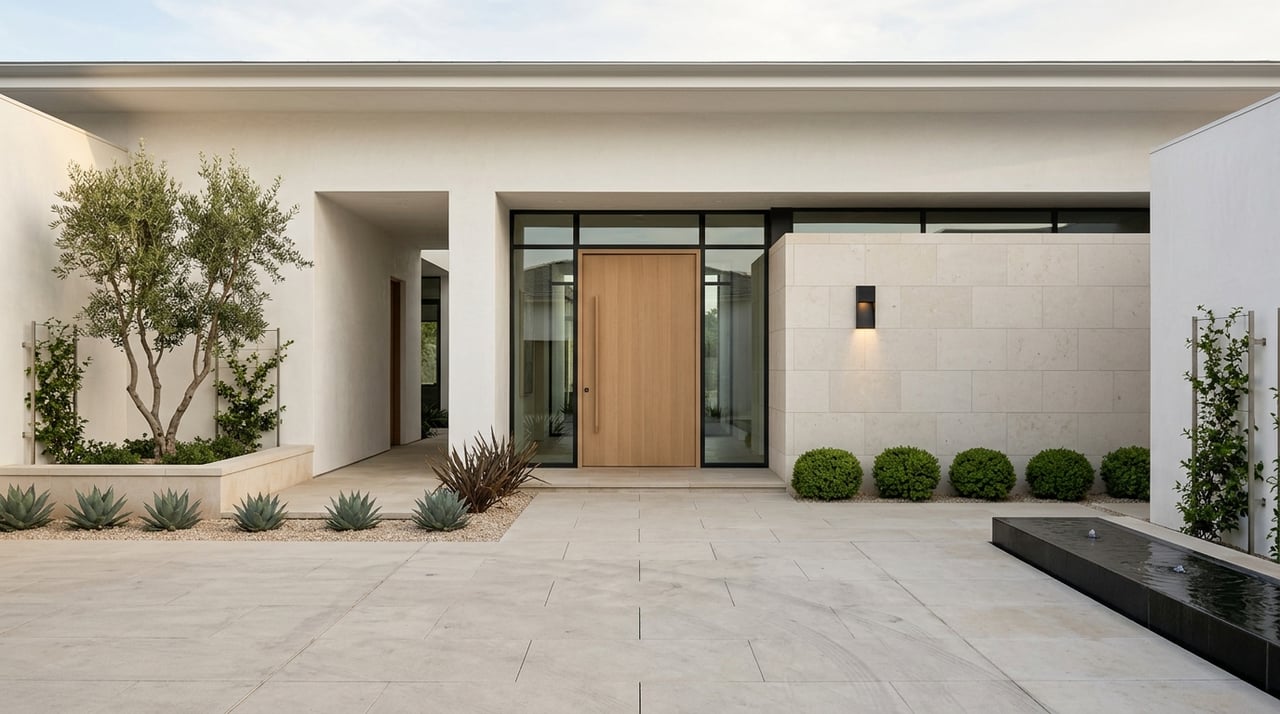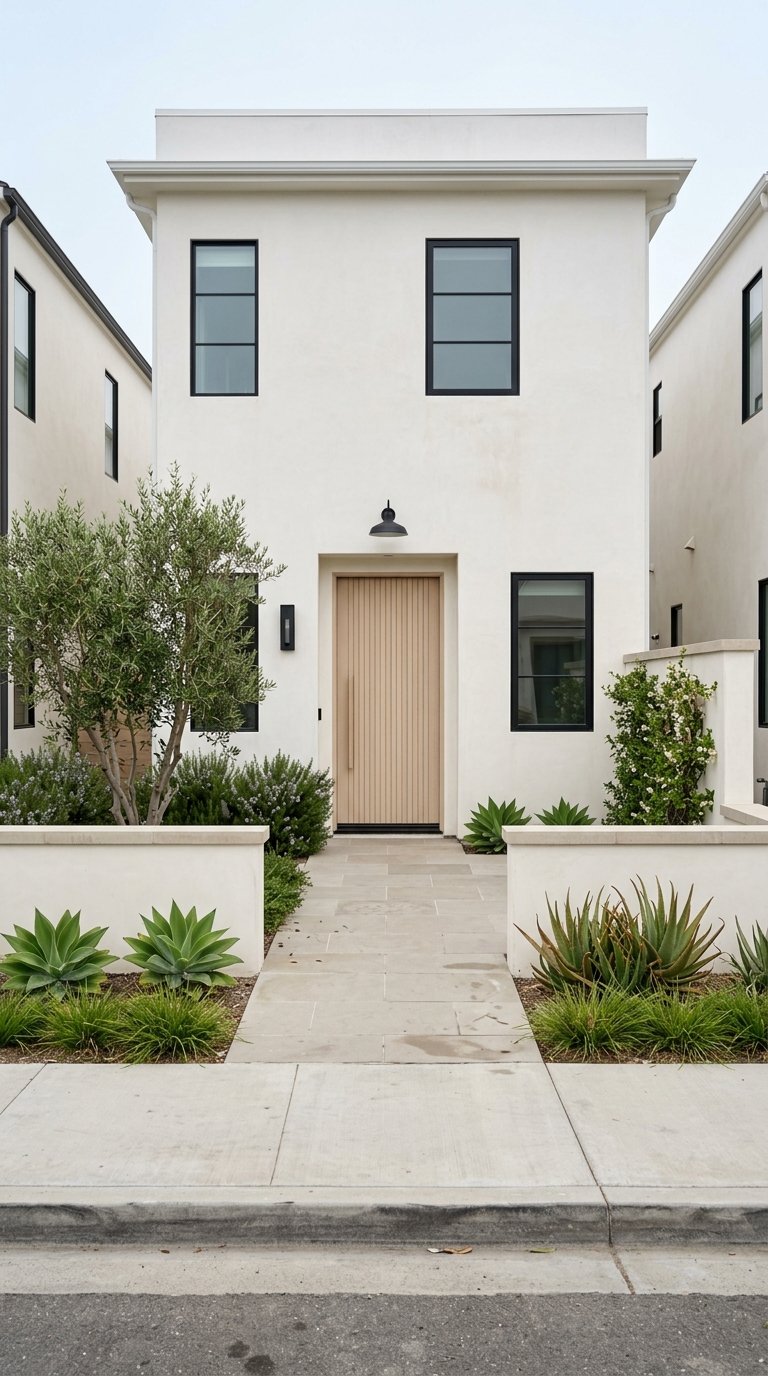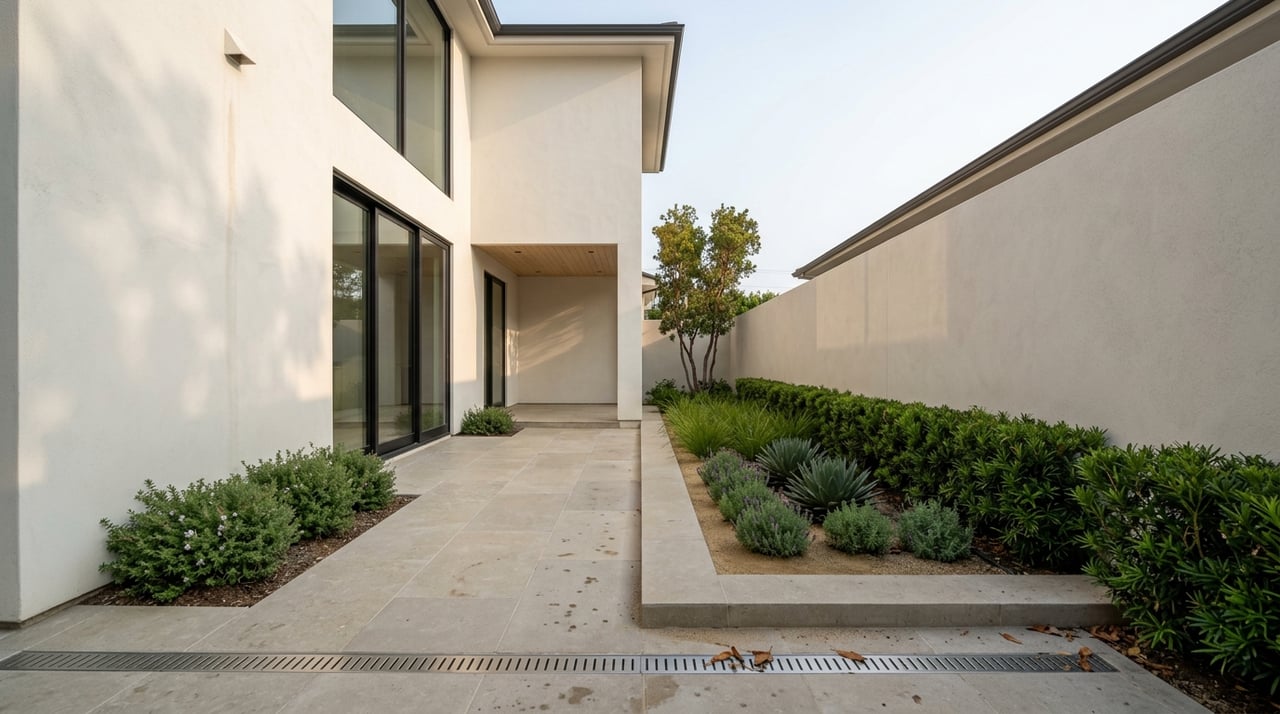
What is a Corona del Mar lot really worth? In this market, the answer often goes far beyond the existing house. If you are buying, selling, or holding a property with redevelopment potential, you need to understand how site constraints, coastal rules, and design feasibility shape value. Let’s dive in.
Why lot value matters in Corona del Mar
Corona del Mar sits within Newport Beach and is closely tied to its beach setting, village core, and scenic coastal character. That setting is a big reason the area commands premium pricing, with third-party market trackers placing average and median values well above $4 million in spring 2026.
For many properties, buyers are not only evaluating the current home. They are also pricing the land, the location, and what that parcel may support in the future. In a market like Corona del Mar, lot value is often highly site driven.
What drives lot value here
Lot size and frontage
In Newport Beach single-unit residential districts, one detached dwelling is generally allowed per legal lot. The zoning code also states that the maximum gross floor area for a residential structure is 1.5 times the buildable area of the lot.
That means two lots with similar square footage may not carry the same redevelopment value. Width, depth, frontage, and the usable building envelope can all have a major effect on what can actually be designed and built.
Orientation and views
Ocean, bay, and harbor orientation can strongly influence value in Corona del Mar. Buyers often place a premium on parcels that capture coastal views or sit near public scenic areas.
At the same time, those same locations can bring more entitlement complexity. Newport Beach coastal standards apply added visual review to projects between the first public roadway and coastal resources, and to properties near public viewpoints, beaches, parks, or accessways.
Topography and site conditions
Flat lots are not the same as bluff lots, and that difference matters. Newport Beach coastal standards say new development should be sited on the flattest area of the site when feasible, should minimize alteration of natural topography, and should use existing building pads where possible.
If you are evaluating a canyon edge, slope, or bluff-side parcel, the paper value of the lot may not match the practical building opportunity. Engineering and geotechnical work can narrow the final design envelope.
Location near the village or Coast Highway
Proximity to the village and coastline often supports demand because Corona del Mar is prized for its beach access and walkable village setting. Still, lots near Coast Highway or scenic corridors can face more visual scrutiny and may also be affected by future planning changes.
The city’s Corona del Mar Commercial Corridor Study is reviewing topics such as zoning, parking, mobility, safety, infrastructure, and lower-density mixed-use housing along the corridor. For owners and buyers near that area, future policy shifts are worth watching.
Redevelopment is possible, but not automatic
Coastal permits shape the process
In the coastal zone, development generally cannot begin until a coastal development permit has been issued by the proper authority. In Newport Beach, most permitting authority is handled locally through the city under the certified Local Coastal Program, with certain Coastal Commission jurisdiction and appeal roles still in place.
This matters because redevelopment value is tied not just to a vision, but to a realistic approval path. A parcel with fewer permitting hurdles may be more attractive than one with the same location but a more complex review process.
Rebuilding is usually about feasibility
Redevelopment and infill are allowed within and adjacent to existing developed areas under Newport Beach’s Local Coastal Program. In practical terms, the core question in Corona del Mar is often not whether a site can be redeveloped at all, but what can be rebuilt while staying within density, intensity, and resource protection rules.
That distinction is important for both buyers and sellers. A property may have strong redevelopment appeal, but its true lot value depends on the size, form, and placement of what is actually feasible.
Lot splits face real limits
Some buyers assume they can increase value by splitting a parcel. In Corona del Mar’s coastal context, that is not something to assume.
Newport Beach requires proposed subdivisions in the coastal zone to comply with the Local Coastal Program, and created parcels must remain developable under the certified rules. The code also notes that new subdivisions cannot create additional dwelling units beyond what the original underlying lots would allow unless the General Plan is amended.
Why parcel-by-parcel analysis matters
Bluff-side rules can change everything
Not all Corona del Mar lots play by the same practical rules. On the bluff side of Ocean Boulevard, new structures and additions may not be built higher than the adjacent curb elevation.
That is a clear example of how two properties in the same broader market can have very different redevelopment potential. If you are pricing a bluff-side lot, height limits may shape value as much as views do.
View protection affects design
Views are valuable, but they do not automatically support a taller or larger structure. Newport Beach coastal standards include public view protection, potential view impact analysis, and tools such as deed restrictions or easements to preserve public views.
For some sites, the development envelope is shaped by public-view rules as much as by lot ownership. That is why view lots should be evaluated with both market demand and entitlement limits in mind.
Discretionary review may apply
Larger additions, bluff properties, grading, and height-limit increases can require a Site Development Permit before a building or grading permit is issued. The city’s process is designed in part to reduce visual impacts and protect public views.
When discretionary review is involved, timing, cost, and uncertainty can all influence lot value. A lot with a simpler path may command a stronger premium than one that looks similar at first glance.
How buyers should evaluate redevelopment potential
If you are buying for land value or future construction, do not stop at the listing photos. The smart approach is to evaluate the parcel as a combination of location, physical constraints, and entitlement risk.
Start with questions like these:
- Is the lot flat, sloped, or bluff-adjacent?
- What is the usable building envelope, not just the lot square footage?
- Is the property in an area with added scenic or coastal view review?
- Are there known height, curb-elevation, or visual restrictions?
- Does permit history show prior approvals, denials, or completed work?
- Could future corridor planning changes affect the site?
In a high-value coastal market, these details can materially affect what you pay and how you underwrite the opportunity.
How sellers can position lot value correctly
If you are selling a property with redevelopment appeal, pricing it well means understanding more than recent comparable sales. Buyers in this segment often look closely at what the parcel may support, how difficult the approval path may be, and whether the lot offers a clean design opportunity.
That is why early due diligence can help. A thoughtful valuation may include permit history, topographic realities, frontage, orientation, and any known coastal or visual constraints that affect feasibility.
When the story is clear, your property can be marketed more strategically. That is especially true in the luxury segment, where buyers often pay for confidence, not just potential.
Early due diligence can protect value
Start with city records
Newport Beach’s Permit Center is the first stop for construction permitting, and the city also offers an online permit history search. Before you rely on assumptions about expansion or rebuilding, it is worth confirming what has already been approved at the address.
This can uncover prior work, permit patterns, and possible red flags early. It can also help frame more realistic conversations about timing and scope.
Order technical studies early
For redevelopment candidates, a current survey, topographic map, and geotechnical review are often the first useful filters. On bluff or slope sites, coastal standards point to bluff stability, erosion, and geologic setback line analysis.
That means a concept that looks efficient at first glance may change once engineering begins. Early technical work can help you avoid overpricing a lot or overcommitting to a design.
Coordinate the right team early
In Corona del Mar, massing, setbacks, coastal permitting, view protection, and height limits are often interconnected. For significant remodels and new construction, early coordination among the owner, architect, planner, and coastal consultant is one of the most important steps.
A good strategy starts before final plans are drawn. That kind of early planning can save time, reduce redesign risk, and lead to a more accurate understanding of value.
Sea level rise should be part of planning
For low-lying coastal parcels and bluff-top properties, sea level rise and coastal hazards should be considered early. Coastal Commission guidance says coastal development permit projects should address sea level rise where sites may face inundation, flooding, wave impacts, erosion, or saltwater intrusion.
This does not affect every lot the same way. But for some properties, long-term hazard assumptions may influence drainage, foundation planning, setbacks, and future protection decisions.
The bottom line on lot value in Corona del Mar
In Corona del Mar, lot value and redevelopment value are closely linked, but they are not the same thing. A prime address, coastal orientation, or view corridor can support premium pricing, yet buildability, permitting, and design limits often determine what that premium should really be.
If you are buying, selling, or exploring a value-add opportunity, the smartest move is a parcel-specific analysis grounded in Newport Beach rules and real site conditions. For high-stakes coastal properties, clarity is what protects value.
If you want a strategic, high-touch perspective on how lot value, redevelopment potential, and market positioning intersect in Corona del Mar, Nicole Caplan can help you evaluate the opportunity with clarity and care.
FAQs
How is lot value different from home value in Corona del Mar?
- Lot value reflects the land, location, and redevelopment potential of a parcel, while home value also includes the existing structure, condition, finishes, and livability.
Can you split a residential lot in Corona del Mar?
- Possibly, but only if the subdivision complies with Newport Beach coastal subdivision rules and the Local Coastal Program, and the resulting parcels remain buildable under the original underlying lot pattern.
Do ocean views allow a taller new home in Corona del Mar?
- No. View lots can still be limited by height rules, bluff-side standards, public view protection requirements, and discretionary review.
Why do bluff-side lots in Corona del Mar need extra review?
- Bluff-side parcels may be subject to added constraints related to height, visual impacts, bluff stability, erosion, geologic setbacks, and coastal hazard planning.
What should buyers review before purchasing a teardown in Corona del Mar?
- Buyers should review permit history, zoning and coastal standards, topography, survey information, geotechnical conditions, visual constraints, and the likely entitlement path before pricing the opportunity.