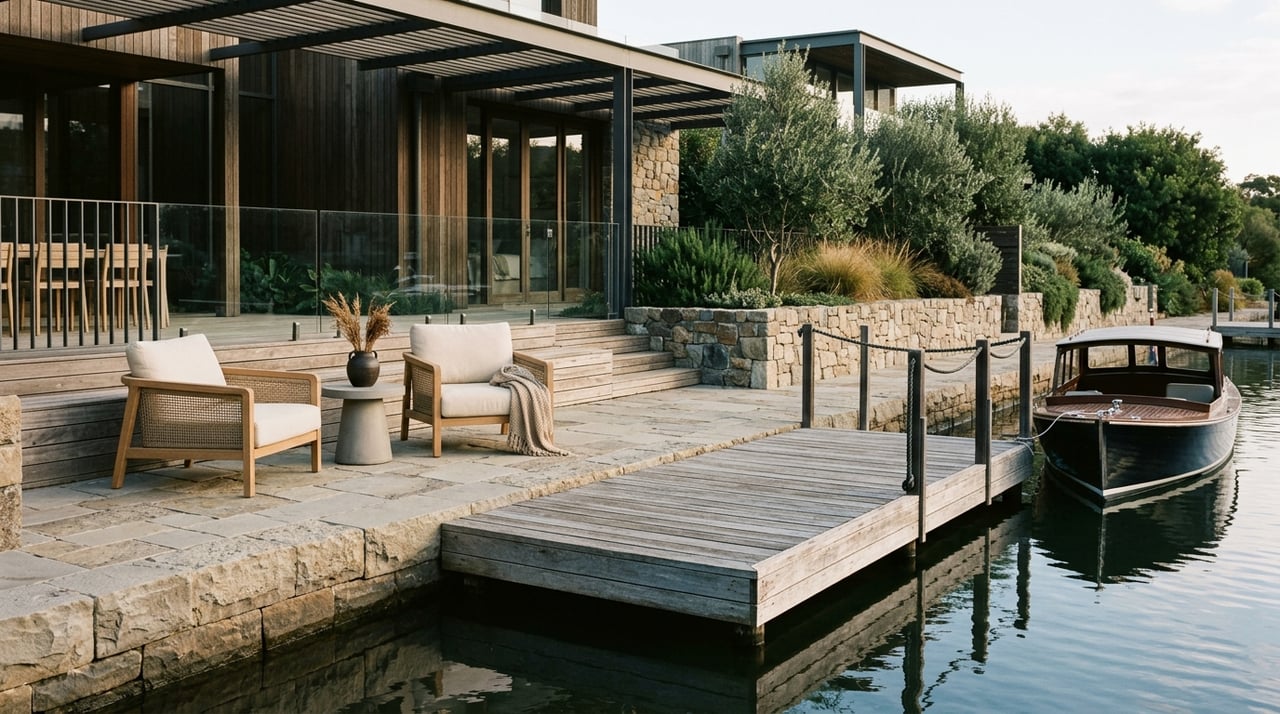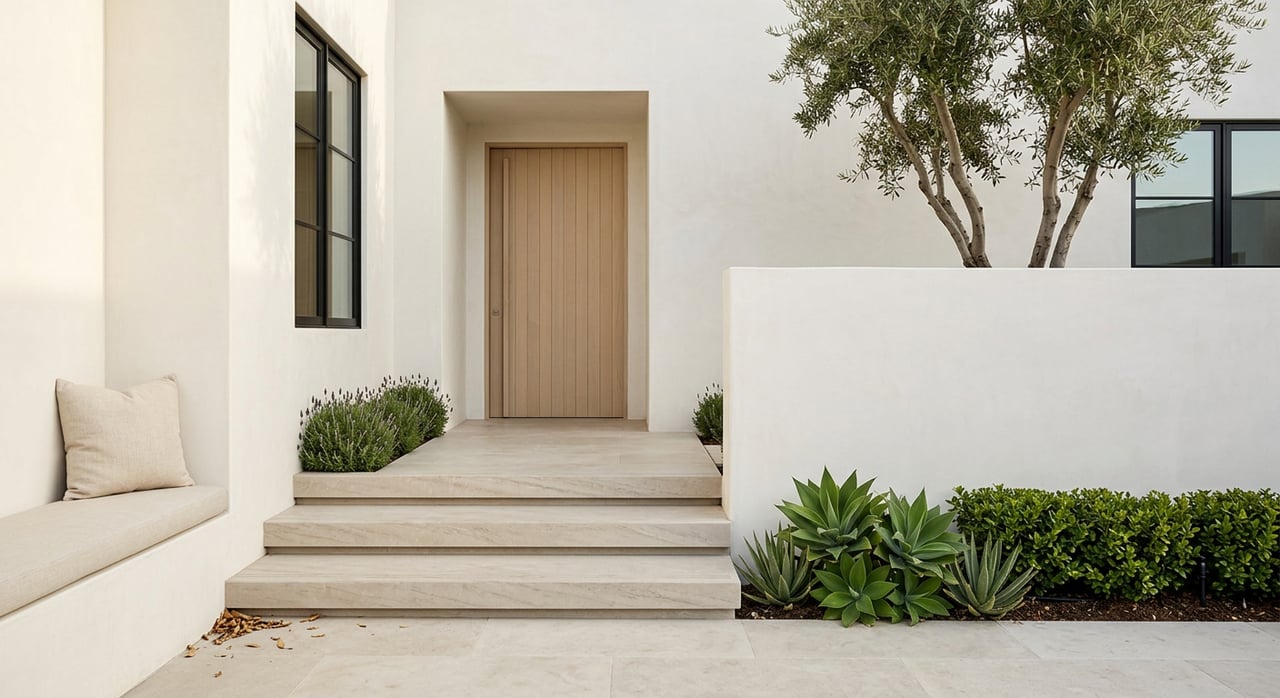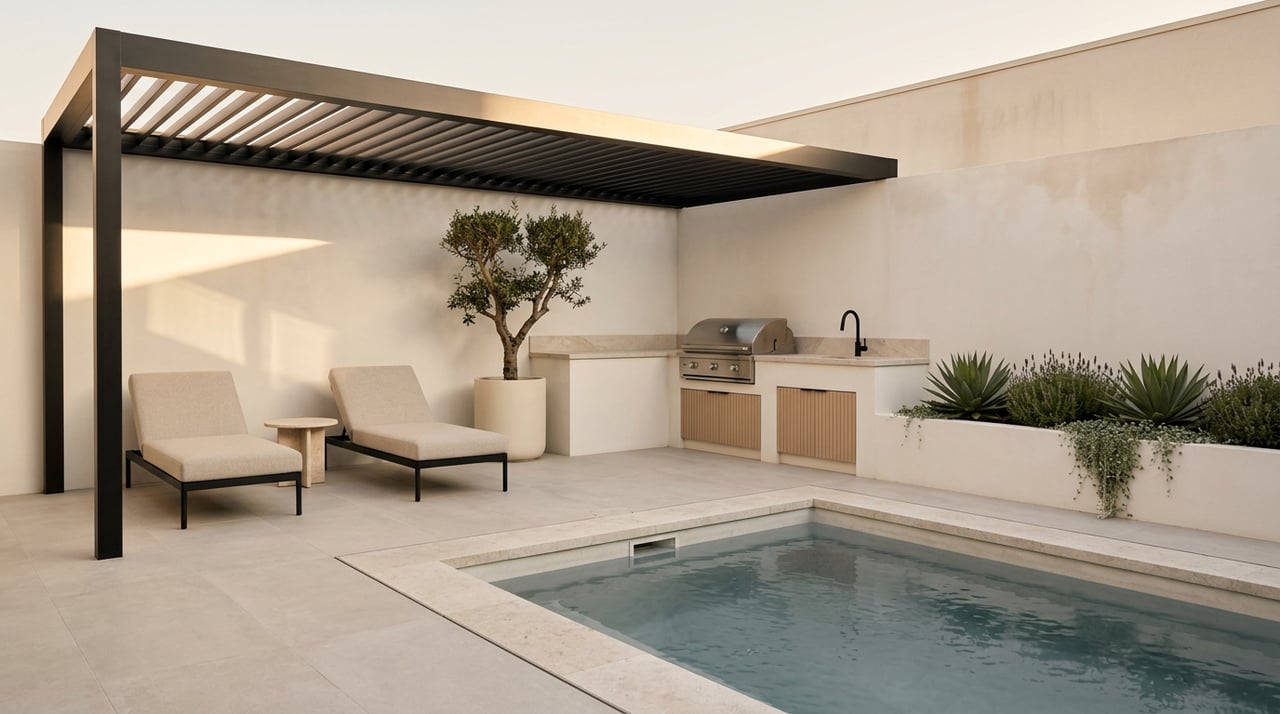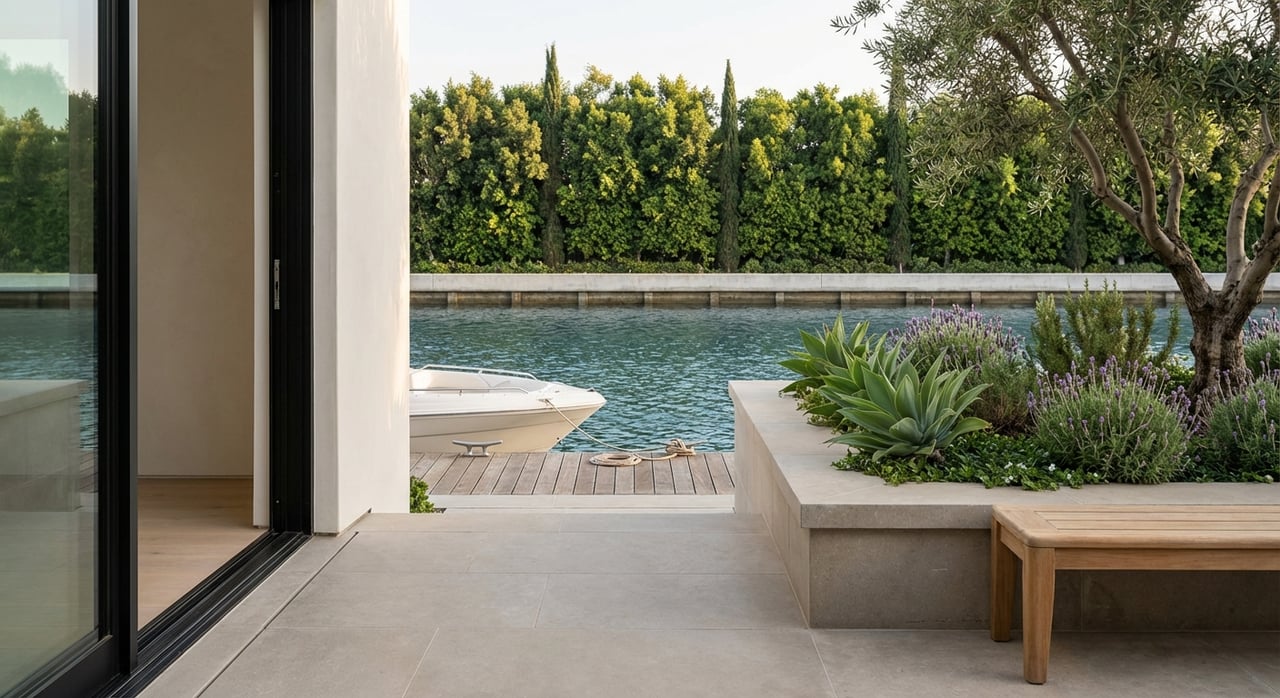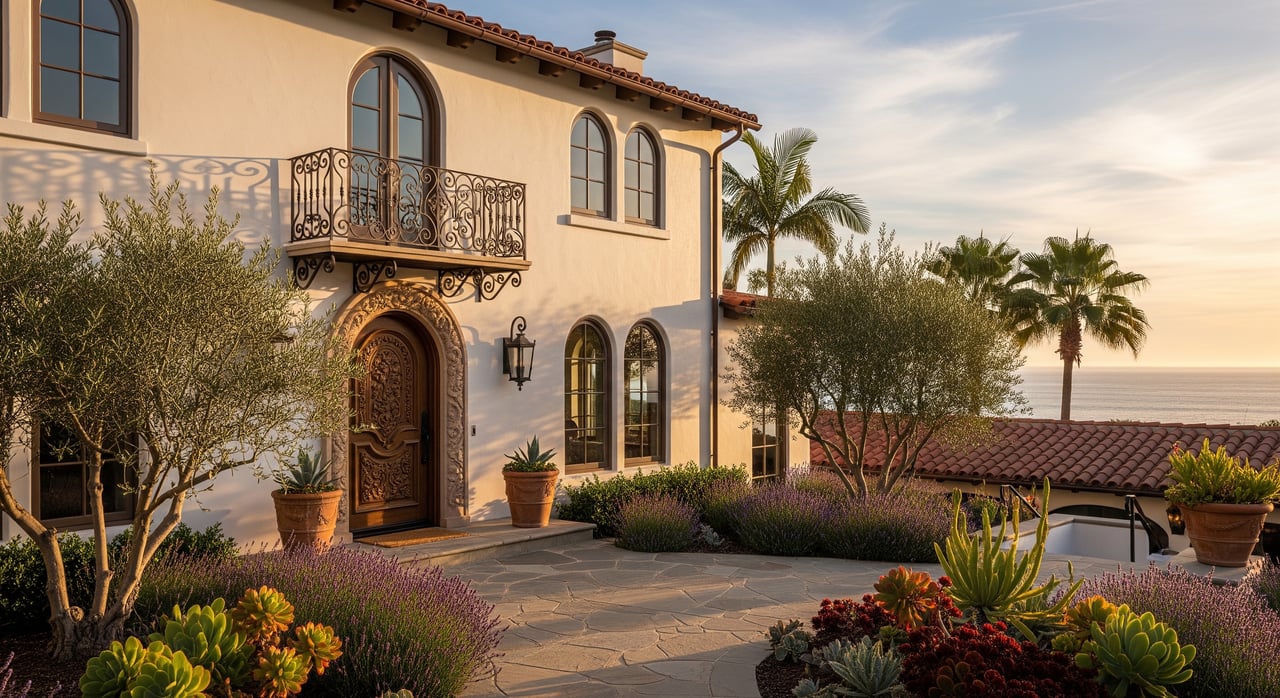
What makes Corona del Mar homes instantly recognizable? You see it in the rooflines, the way sunlight filters through clerestory windows, and how rooms open to sea-breeze terraces. If you are drawn to this coastal mix of elegance and ease, understanding the architecture will help you evaluate listings with confidence. In this guide, you will learn how to spot the most common styles, how each layout handles light and indoor-outdoor living, and what coastal rules and materials mean for day-to-day comfort. Let’s dive in.
Why Corona del Mar looks this way
Corona del Mar sits on coastal bluffs and terraces shaped by ocean views, salt air, and a mild Mediterranean climate. Homes orient toward the water with balconies, roof decks, and patios that capture breezes and sunset light. Floor plans often prioritize cross-ventilation and view corridors.
Local planning shapes what you see from the street. Height limits, setbacks, and coastal development rules influence roof forms, deck placement, and massing. In this coastal zone, new builds and major remodels may require additional review. If you are considering a property with recent additions, verify permits for roof decks, large window changes, and terraces.
The ocean environment also guides material choices. Salt air accelerates corrosion, so you will often see stucco, fiber-cement siding, cedar shingles with diligent maintenance, tempered glass, and stainless or powder-coated metals. Clay tile and composite roofing are common solutions for durability near the coast.
Mediterranean and Spanish Revival
You will notice smooth stucco walls, red clay tile roofs, and arched openings that frame courtyards and loggias. Decorative tilework, wrought-iron accents, and carved wood doors add classic character.
Inside, plans often favor a sequence of formal and informal rooms that flow to terraces or a central courtyard. Compared to modern glass walls, windows can be smaller or recessed to manage sunlight. Courtyards create private outdoor rooms that stay comfortable throughout the day.
Light is shaped, not flooded. Arches and covered walkways filter glare while French doors connect living areas to patios for easy entertaining.
Contemporary coastal and modern
Clean lines, mixed cladding, and large glass define this category. You will see floor-to-ceiling windows, sliding or pocketing doors, flat or low-slope roofs, and glass railings that keep the view center stage.
Plans lean open concept, with a great room that merges kitchen, dining, and living. On hillside streets, reverse layouts are common, placing the main living areas and the primary suite on the upper level to capture vistas, with secondary rooms below.
Daylight is generous. Pocketing doors blur indoor and outdoor zones, and roof decks or tiered terraces function as outdoor rooms. Shading devices, clerestory windows, and operable panels help control glare and heat while maintaining the view.
Cape Cod and shingle-style cottages
Cedar or composite shingles, gabled roofs, and dormers give these homes a timeless coastal look. Trim is simple and often painted in soft neutrals, with multi-pane windows that feel refined yet casual.
Classic plans can be more compartmentalized. Many remodels open the kitchen to living areas to create a larger gathering zone. Lots may be smaller, so design often emphasizes intimate patios, small decks, and porches rather than large terraces.
Light tends to be soft and layered. Dormers brighten upper floors, while porches provide shade and weather protection.
Coastal Craftsman and bungalows
Look for low-pitched gables with exposed rafter tails, tapered columns, and warm wood details. Stone or brick porch piers anchor the facade.
Interiors often feature built-ins and defined living areas at a single or one-and-a-half story scale. Modern updates commonly open the rear to a yard or terrace for better indoor-outdoor flow.
With generous covered porches, these homes create protected outdoor spaces that filter light and invite evening breezes. Windows are arranged to encourage cross-ventilation throughout the day.
Mid-century modern highlights
You will see thin rooflines or butterfly roofs, post-and-beam structure, and simple forms that integrate with the site. Clerestory windows and glass walls bring daylight deep into the plan.
Layouts emphasize horizontal flow with patios or terraces sliding off main rooms. Materials include exposed wood, steel, and concrete used with restraint for a clean, low-profile aesthetic.
Light feels crisp and even. Operable panels and clerestories balance privacy and ventilation while maintaining connection to the landscape.
How style shapes daily living
Style affects more than curb appeal. It shapes your routine, your light, and how you entertain.
- Floor plan logic. Modern homes usually center on an open great room. Mediterranean and Craftsman homes may start compartmentalized but often evolve through remodels into more open entertaining spaces.
- Reverse and stacked plans. On view lots, you often find living spaces on the upper level. This places everyday life closer to the best light and outlooks, with garages and secondary rooms below.
- Multi-level outdoor living. Balconies, terraces, and roof decks extend living space. The way stairs and doors connect these levels can make everyday use seamless.
Natural light strategies
- Big glass with smart control. Contemporary homes use large windows and doors for maximum light and views, paired with shading to manage comfort.
- Courtyards and light wells. Mediterranean and Craftsman-influenced plans use internal courtyards for protected daylight and privacy.
- Window types. Casement windows boost ventilation. Double-hung windows suit cottage aesthetics. Picture windows maximize the view but do not ventilate.
- Solar orientation. Southern and western exposures feel bright and warm. Overhangs, low-E glazing, and operable windows help balance heat and glare.
Indoor-outdoor thresholds
- Pocketing or stacking doors provide wide openings for a seamless transition.
- Bi-fold or French doors offer flexible openings with classic design cues.
- Covered loggias and porches provide sheltered outdoor rooms, while open terraces and roof decks are ideal for sun and views.
Materials and maintenance at the coast
Salt air is beautiful but demanding. Inspect metal railings, window frames, and exterior hardware for signs of corrosion. Stucco, fiber-cement, and composite products are popular for durability. Cedar shingles lend character but require steady care near the ocean.
Roof materials carry trade-offs. Clay tile suits Mediterranean profiles and is long-lasting but heavy. Wood shingles offer warmth yet need more maintenance. Many owners choose composite or tile solutions that balance longevity and aesthetics.
Landscape choices often lean drought-tolerant due to local water-use guidance. Thoughtful irrigation design protects hardscape and finishes.
Permits, views, and the coastal zone
Corona del Mar properties fall under city planning rules and coastal policies. Height limits, setbacks, and public access easements can shape where windows, decks, and additions are allowed. Roof decks and major facade changes may require specific approvals.
If you are evaluating a property with recent work, ask for permit histories, especially for roof decks, large glazing changes, additions, and any bluff or seawall improvements. View protections and access policies can affect future plans, so it helps to understand these constraints early.
Quick style cheat sheet
- Reverse floor plan: Main living spaces are upstairs to capture views.
- Pocketing doors: Sliding panels that disappear into walls for a wide opening.
- Clerestory: High windows that bring daylight deep into rooms.
- Loggia: A covered outdoor gallery, often linking indoor rooms to a courtyard.
- Shingle siding vs. stucco: Shingles often signal Cape Cod or cottage style; stucco is common in Mediterranean and modern coastal homes.
- Cantilever: A projecting deck or overhang that may have structural and permit implications.
- Setback and view corridor: Rules that influence window and deck placement.
- Coastal development permit: A coastal-zone approval that may be required for certain projects.
Listing walkthrough checklist
- Identify the style: roof form, siding, window patterns, and entry details.
- Note the plan type: open or compartmentalized. Is it a reverse plan?
- Evaluate glazing: floor-to-ceiling, clerestories, and where windows are operable.
- Review outdoor spaces: covered porch or open terrace, orientation to views, and privacy.
- Confirm permits: decks, roof decks, additions, large window changes, and any shoreline work.
- Ask about site conditions: bluff setback, past erosion, or mitigation measures.
- Inspect materials: metal corrosion, wood rot, and tile roof condition.
- Check community or HOA rules: any restrictions on facade changes, roof decks, or solar.
Smart questions to ask
- Is this a reverse floor plan, and which rooms receive morning versus evening light?
- Were major renovations permitted through local planning and coastal programs, and can I review the permit record?
- Are there public access easements or view corridor protections that affect potential deck or window changes?
- What exterior materials were used, and how have they performed in coastal conditions?
- Is the property near a bluff or shoreline improvements that require ongoing monitoring or maintenance?
Next steps
When you understand style, layout, and coastal rules, you can move faster and with more certainty. Whether you love a modern glass box, a shingle-clad cottage, or a classic Mediterranean, the right due diligence will protect your comfort and your long-term value. If you are planning a purchase, start by clarifying your light and layout priorities, then review permit histories before you write an offer. If you are preparing to sell, consider targeted updates that improve indoor-outdoor flow and refresh coastal finishes.
For tailored guidance on Corona del Mar homes, connect with a trusted advisor who understands both design nuance and coastal permitting. Reach out to Nicole Caplan to discuss your goals and schedule a free consultation.
FAQs
What are the main home styles in Corona del Mar?
- You will most often see Mediterranean and Spanish Revival, contemporary coastal and modern, Cape Cod and shingle-style cottages, coastal Craftsman and bungalows, and mid-century modern variants.
What does a reverse floor plan mean for daily living?
- Living areas and often the primary suite sit upstairs for better views and light, while secondary rooms and the garage are on lower levels, which shapes how you move through the home each day.
What coastal permits should I review before buying?
- Ask for records of coastal development permits and city approvals for roof decks, large window changes, additions, and any bluff or shoreline work to confirm compliance.
Which exterior materials handle salt air best?
- Stucco, fiber-cement siding, tempered glass, and stainless or powder-coated metals resist corrosion, while cedar shingles and wood elements need more maintenance near the ocean.
Are roof decks allowed in Corona del Mar?
- Rules vary by site and are subject to height limits, setbacks, view corridor standards, and coastal approvals, so verify feasibility and permit history on a property-by-property basis.